Emergency Appeal: Help restore two historic Syriac Orthodox churches in Beirut — $250,000 goal
Stand with Beirut

Help Rebuild Our Churches and Keep the Faith Alive

Since the dawn of Christianity, the Syriac Orthodox Church has preserved the living faith in the land where it began — in the very language spoken by Christ. In Beirut, two historic churches stand at the heart of that witness. They need your help.

2,000+
Years of Syriac Christian history
6M
Syriac Orthodox faithful worldwide
2
Churches urgently needing restoration
1931
Year the Cathedral was first built
Fundraiser Dinner — You're Invited

An Evening for Lebanon

A night of community, culture, and generosity in support of Middle East Church Aid and the families it serves across Lebanon.

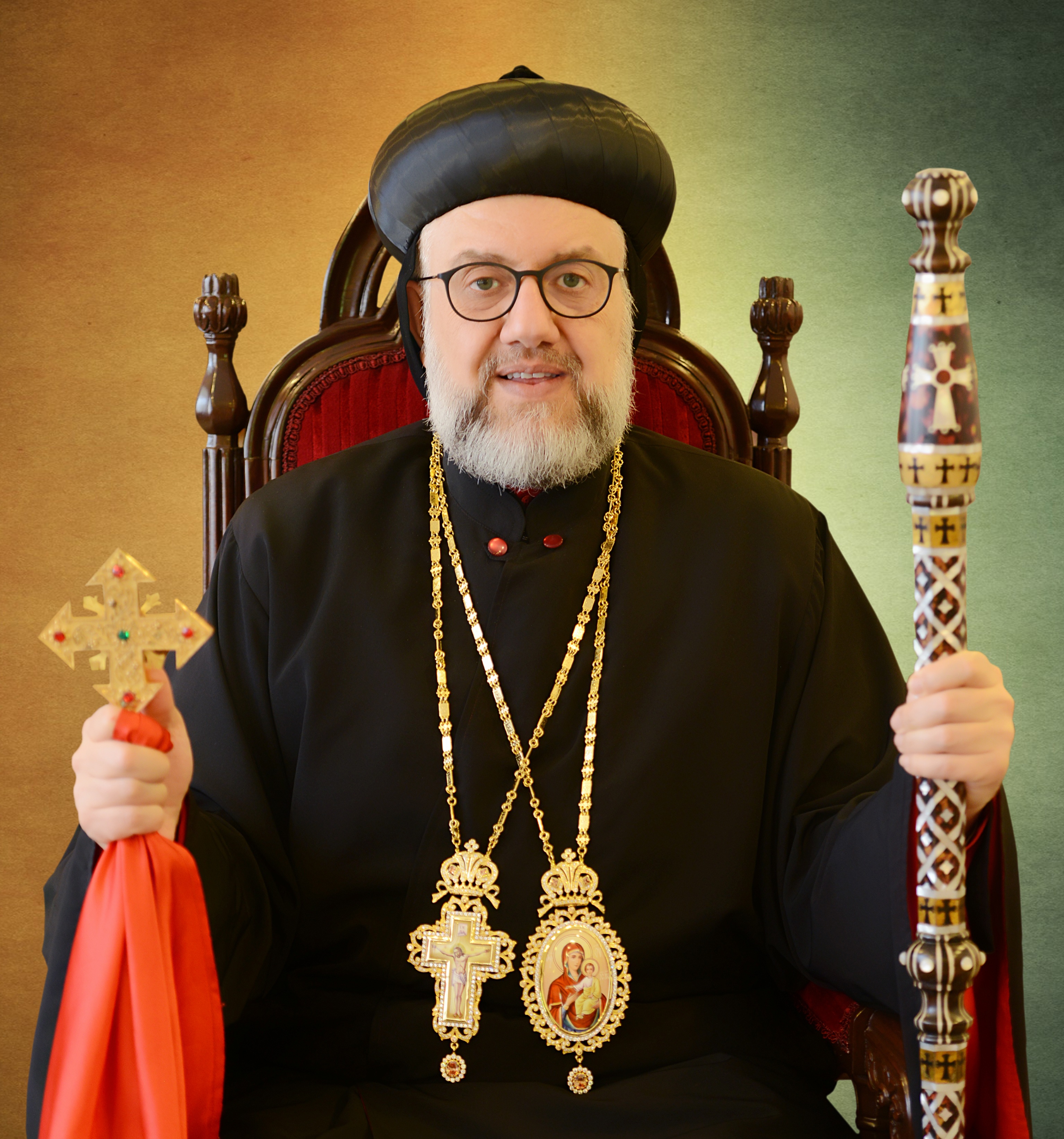
Honored Guest — Archbishop of Beirut  Mor Clemis Daniel Malak Kourieh
When Thursday, May 21, 2026 6:30 – 9:00 PM
Where 961 Restaurant Union Station · 2 Washington Sq, Worcester, MA 01604
Admission Free Entry Complimentary buffet dinner provided

Seats are limited — please RSVP to reserve your place.

RSVP Now Free · Seats limited

Why This Mission Matters

Christianity was born in the Middle East. The Syriac Orthodox Church has preserved it — in the language of Christ — for two thousand years.

The Syriac Arameans are the direct descendants of the indigenous people of Syria, Lebanon, Palestine, and Mesopotamia. When Christianity dawned, they were among the very first to receive it — founding their church in Antioch, the city where, according to Acts 11:26, "the disciples were first called Christians."

For two millennia, they have glorified God in the sacred Syriac language — the language spoken by Christ and the Apostles — which remains their liturgical tongue to this day. Their church has endured persecutions, genocides, wars, and displacement, and yet it stands.

The community in Beirut

The Syriac Orthodox community in Beirut traces its modern roots to survivors of the Sayfo genocide of 1915, who fled from Tur Abdin, Mardin, Urfa, and Diyarbakir. From fewer than 30 families in 1920, the community grew to nearly 400 families by 1921, leading to the formal establishment of the Archdiocese in 1922.

Today, despite the Lebanese civil war, the 2020 Beirut Port explosion, economic collapse, and new conflict, this community continues to pray, serve, and witness.

This Beirut restoration campaign is the first initiative under Middle East Church Aid, a platform designed to support churches in need across the Middle East.
"Your generosity will not only help restore a building but will also strengthen a living community of faith that continues to pray, serve, and bring hope to many people."

— His Eminence Bishop Mor Clemis Daniel Malak Kourieh

Why outside support is needed

  • The 2020 Beirut Port explosion caused significant structural damage to both church complexes.
  • Lebanon's severe economic collapse makes it impossible for the local community to fund restoration alone.
  • Critical construction has been unfinished since 2019 due to the economic crisis.
  • Recent conflict has brought new and urgent repair needs on top of existing damage.
  • Your support sustains a living Church, not just a physical building.

The Churches We Are Supporting

These are not monuments. They are living centers of prayer, community, and hope — where families gather, children learn, and faith is passed from one generation to the next.

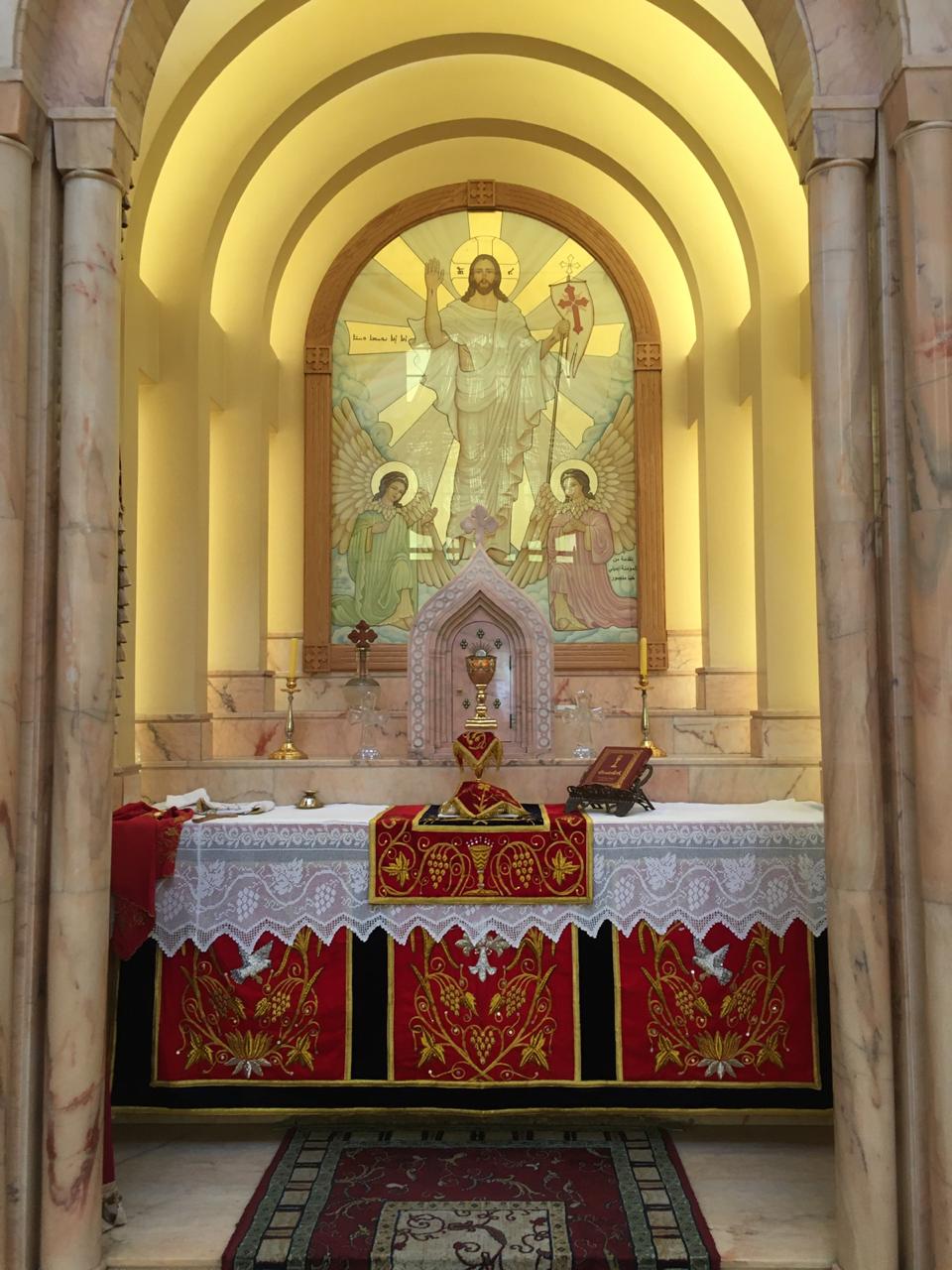
Saint Peter and Saint Paul Cathedral interior

Saint Peter & Saint Paul Cathedral

Msaytbeh, Beirut — Est. 1931

Originally inaugurated in 1931, this cathedral has served as the spiritual anchor of the Syriac Orthodox community for nearly a century. Strategically located in Msaytbeh, it hosts major liturgical celebrations, pastoral services, and community gatherings for the entire Archdiocese.

The cathedral endured severe damage during the Lebanese civil war (1981–1982), was restored in 2003, and now faces urgent new needs — including interior restoration, facility maintenance, and rehabilitation of the community cemetery at Ramlet El Baida.

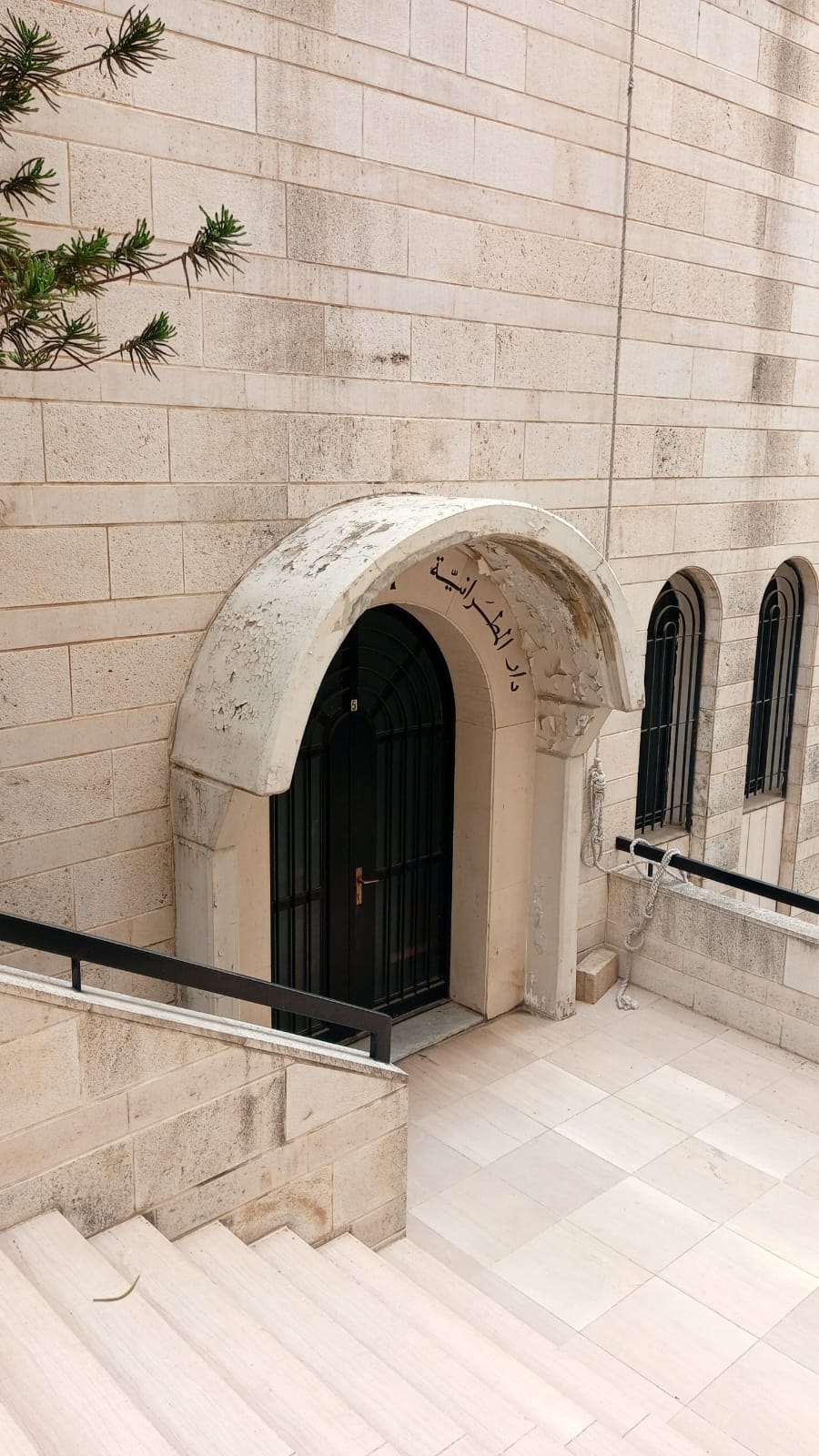
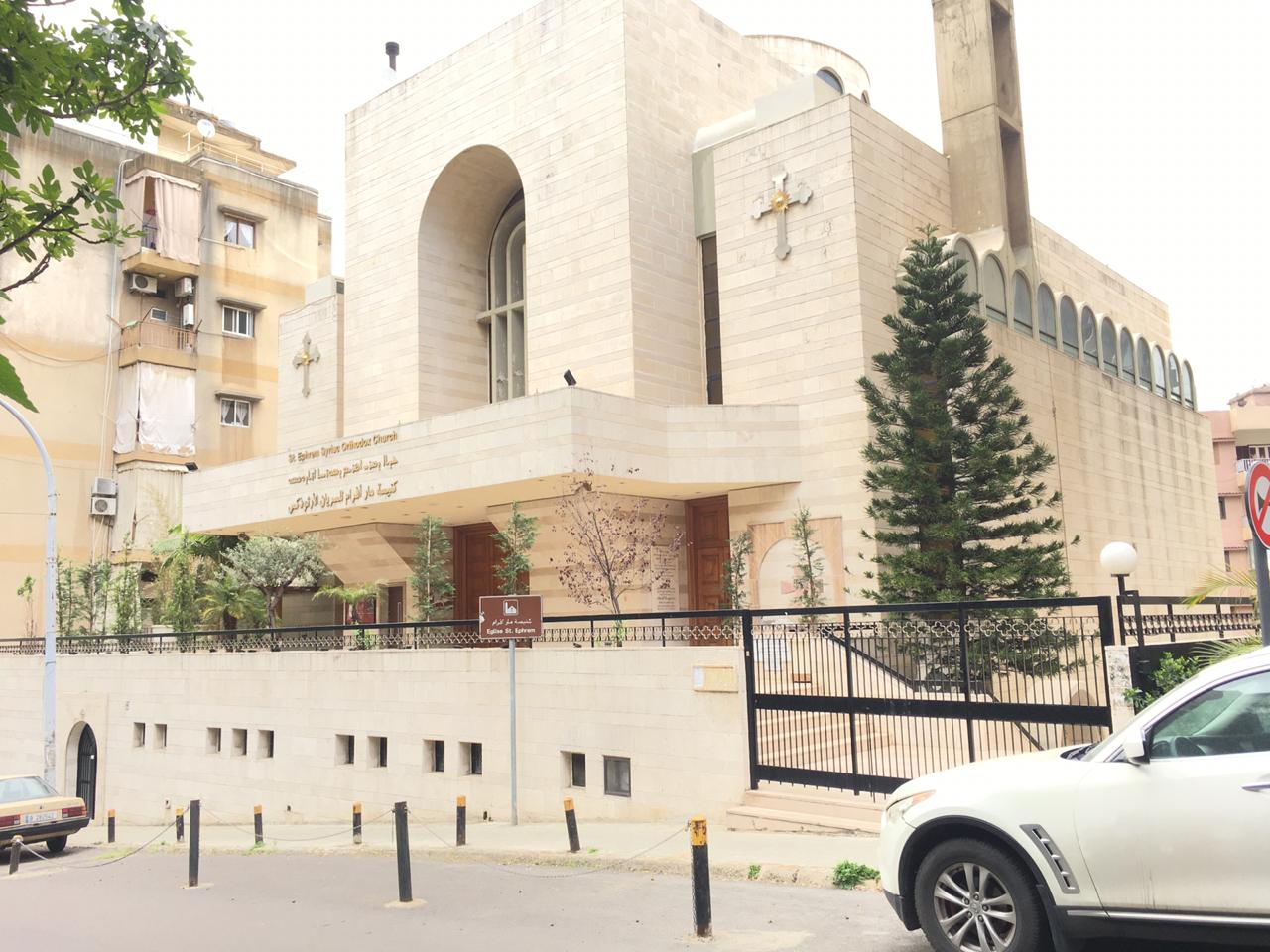
Saint Ephrem Church exterior

Saint Ephrem Syriac Orthodox Church

Achrafieh, Beirut — Est. 1993

Constructed in the 1980s and inaugurated in 1993, this multi-level complex includes the church, diocesan halls, offices, clergy residences, youth and scout centers, Sunday school rooms, and parking — serving hundreds of families every week.

The 2020 Beirut Port explosion caused significant structural damage. Partial repairs were made, but critical work — including construction halted since 2019 — remains undone to this day.

More Than a Building

Within the walls of these churches, the life of the community unfolds every single week.

WorshipLiturgy in the ancient Syriac language — the tongue of Christ
FamilyBaptisms, weddings, and funerals celebrated in faith
YouthScouts, Sunday school, and parish activities for the next generation
Community
A 500-person Grand Hall serving celebrations, gatherings, and humanitarian outreach

What Needs to Be Done

These are the specific, tangible repairs your donation will fund. Every item below is real and urgent.

Urgent — Saint Ephrem

Structural & Infrastructure

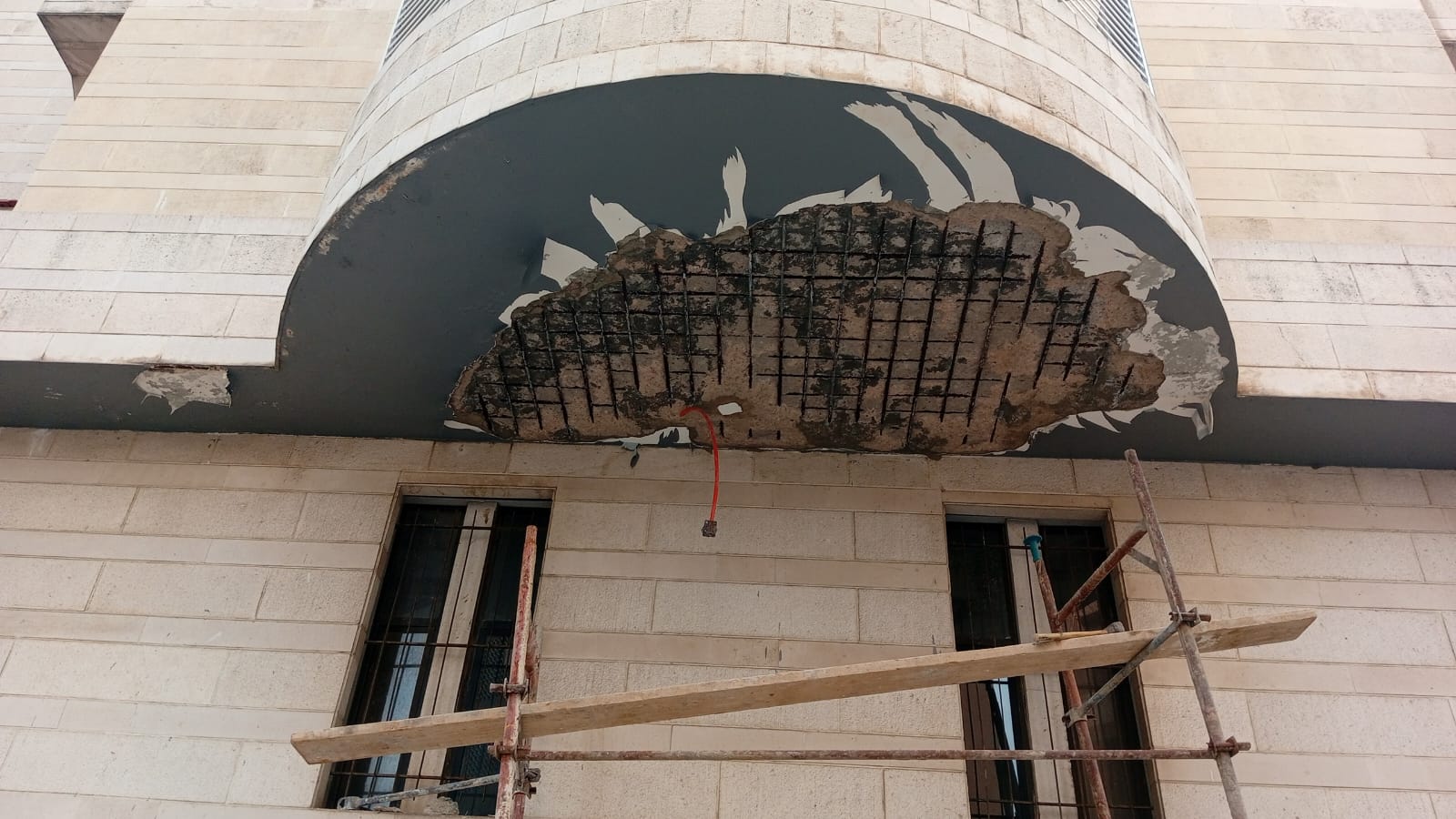
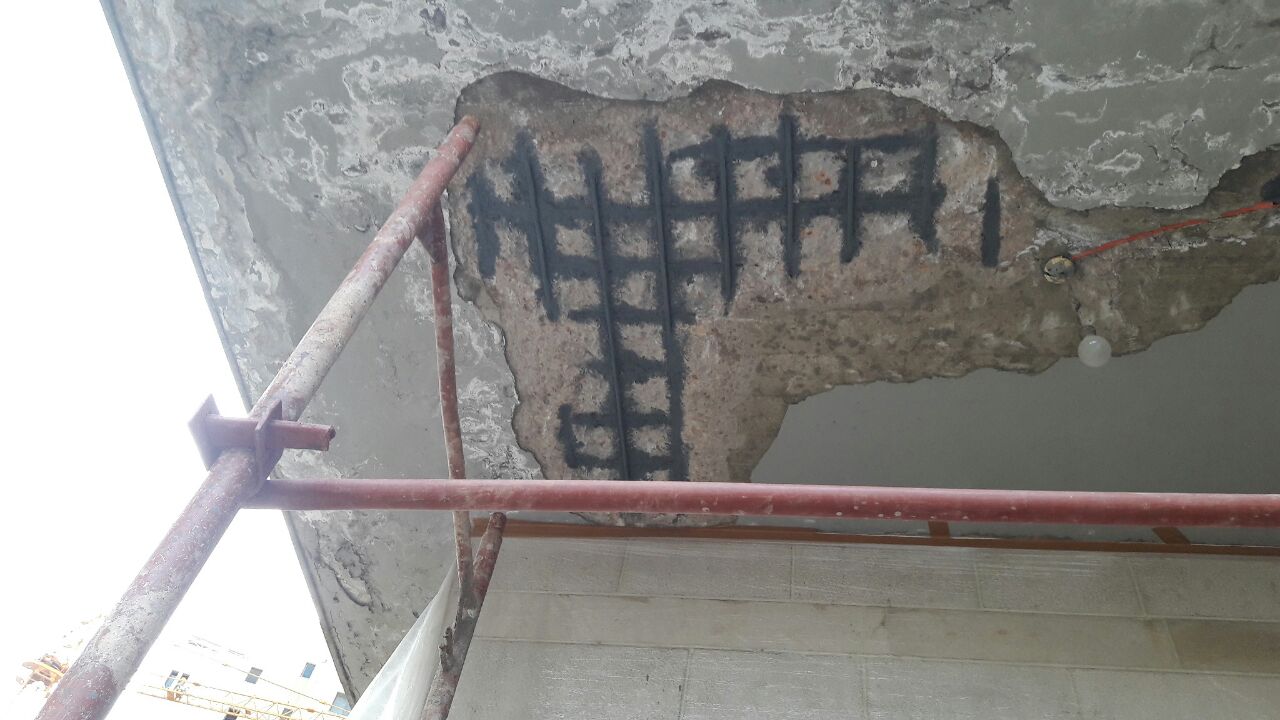
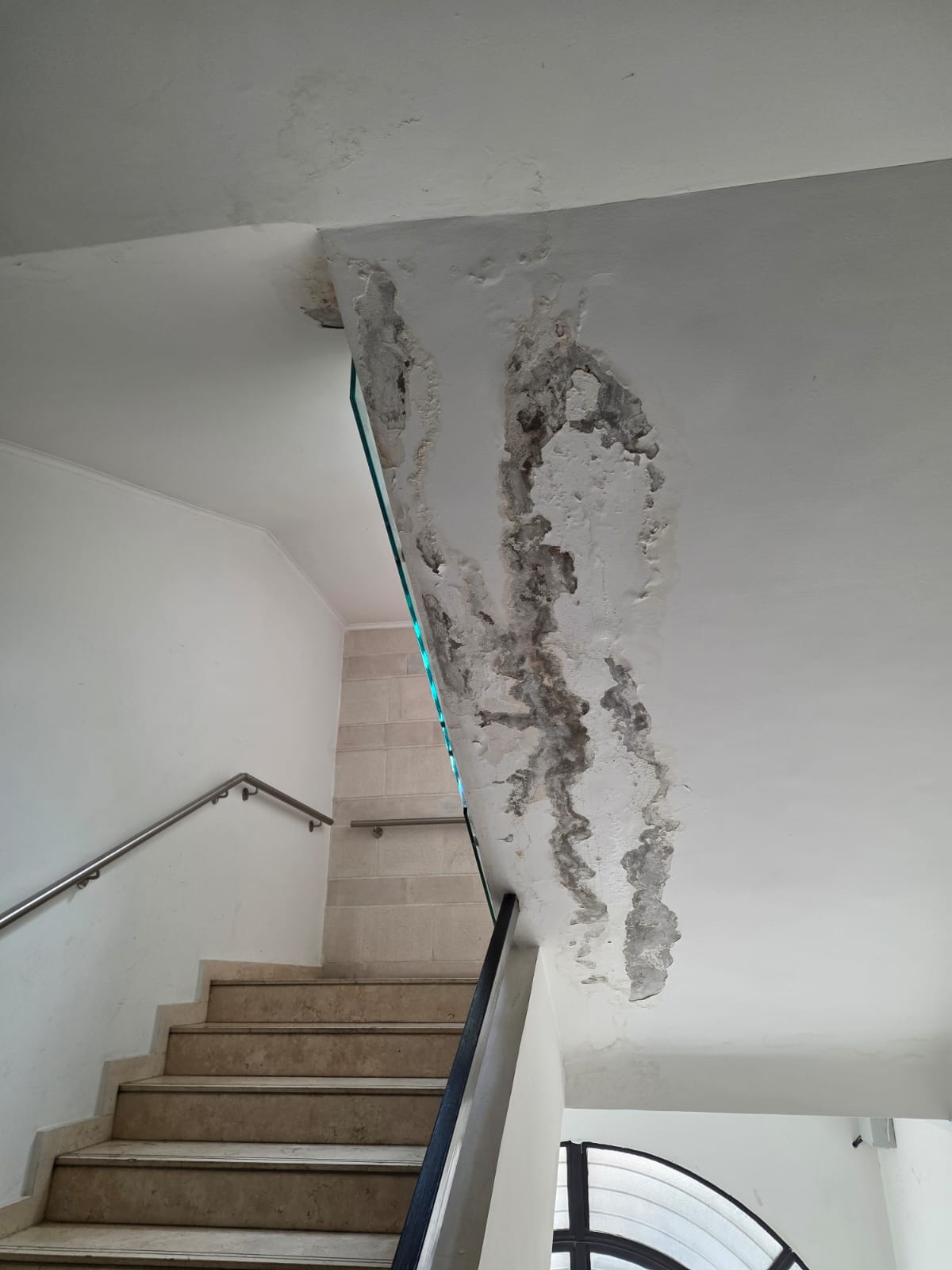
  • Repair of structural cracks causing active water leakage throughout the building
  • Full renovation of the elevator, in continuous operation since 1993 and now failing
  • Upgrade of the air conditioning system in the Grand Hall and Church
Urgent — Saint Ephrem

Facility Improvements

  • Relocation of restrooms currently positioned at the entrance of the diocesan hall — the first thing visitors see, which is neither appropriate nor dignified
  • Full restoration of bathrooms serving the 500-person Grand Hall, now in dilapidated condition
Both Churches

General Renovations

  • Painting works and iconography restoration
  • Repair and replacement of wooden pews, doors, and aluminum structures
  • Installation of a modern sound system and acoustic treatment
  • Rehabilitation of halls used for community activities and meetings
Halted Since 2019

Unfinished Construction

  • Completion of the conference hall
  • Archive room construction and fit-out
  • Administrative offices fit-out
  • Work stopped due to Lebanon's economic crisis and the 2020 explosion — still incomplete today
Saint Peter & Paul Cathedral

Cathedral Restoration

  • Interior restoration work throughout the historic cathedral
  • Maintenance and improvement of church facilities
  • Rehabilitation of the community cemetery at Ramlet El Baida
Heritage & Legacy

Preserving What Matters

  • Restoration of sacred icons and liturgical artwork
  • Preservation of Syriac manuscripts and heritage materials
  • Ensuring spaces for future generations to worship, learn, and gather in faith

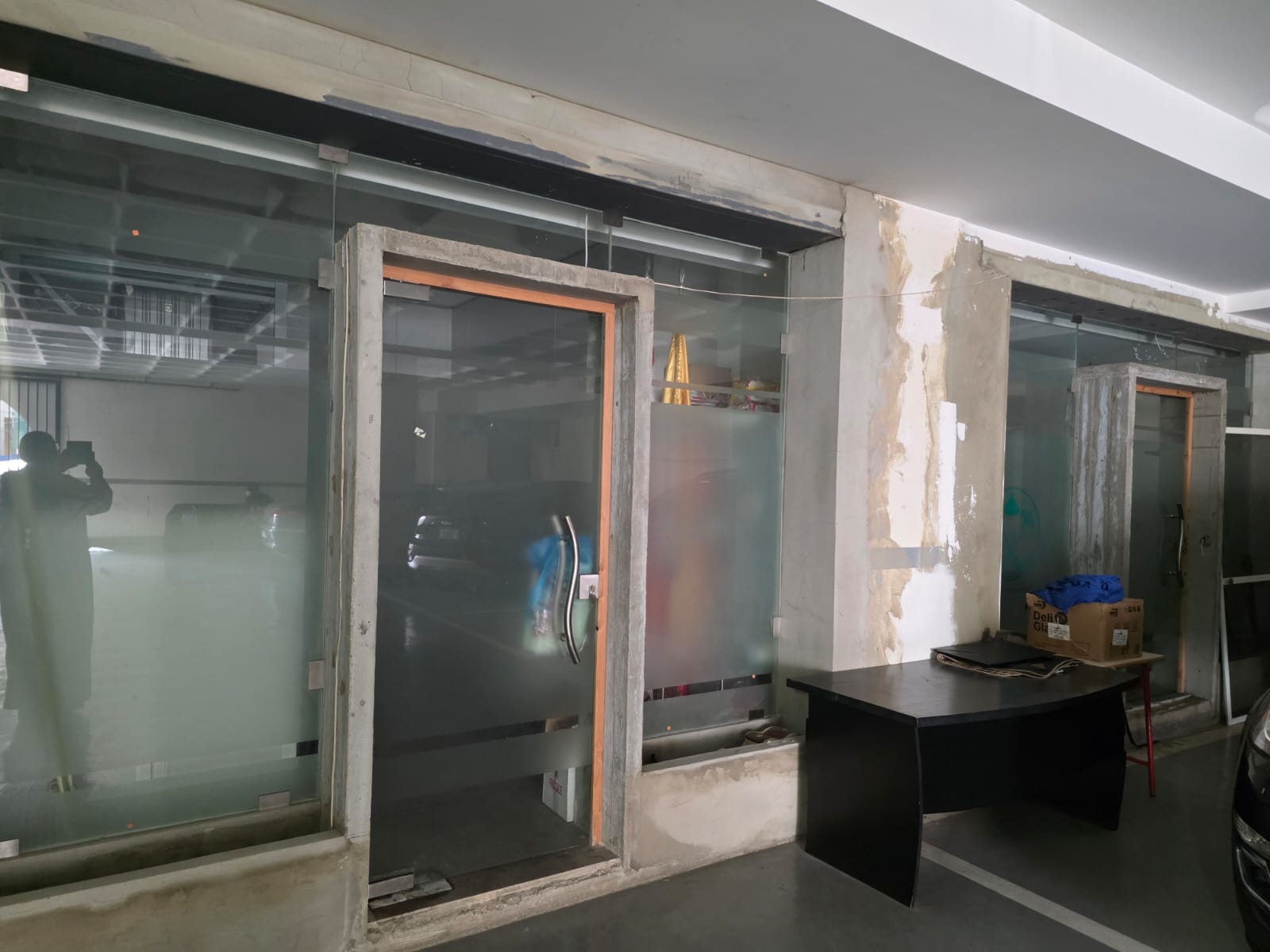
See the Damage for Yourself

These photographs were taken on-site at Saint Ephrem Church by the Archdiocese. This is the reality your donation addresses.

Message from the Archdiocese

In the words of His Eminence Bishop Mor Clemis Daniel Malak Kourieh, Syriac Orthodox Archdiocese of Beirut.

His Eminence Bishop Mor Clemis Daniel Malak Kourieh
Syriac Orthodox Archdiocese of Beirut

His Eminence Bishop Mor Clemis Daniel Malak Kourieh
Syriac Orthodox Archdiocese of Beirut
Under the Patriarchate of Antioch

"The Syriac Arameans are the direct descendants of the indigenous inhabitants of Syria, Lebanon, Palestine, and Mesopotamia. With the dawn of Christianity they heard the divine message, accepted it, and founded their church — among the earliest Christian churches in the world, because according to Holy Scripture, 'the disciples were first called Christians in Antioch.'"

— Bishop Mor Clemis Daniel Malak Kourieh

"This church has suffered many challenges and hardships through the centuries — persecutions, displacements, schisms, and wars. It still struggles today to remain steadfast and alive, bearing witness to a glorious history and a great faith."

— Bishop Mor Clemis Daniel Malak Kourieh

"Any contribution, large or small, will be deeply appreciated and will remain a lasting blessing for this church and the generations who will continue to worship within it. We thank you for your kindness, your prayers, and your continued love for the Church."

— Bishop Mor Clemis Daniel Malak Kourieh

A Heritage Worth Preserving

The Syriac Orthodox Church preserves the language of Christ — one of the oldest continuously spoken and written languages in the world.

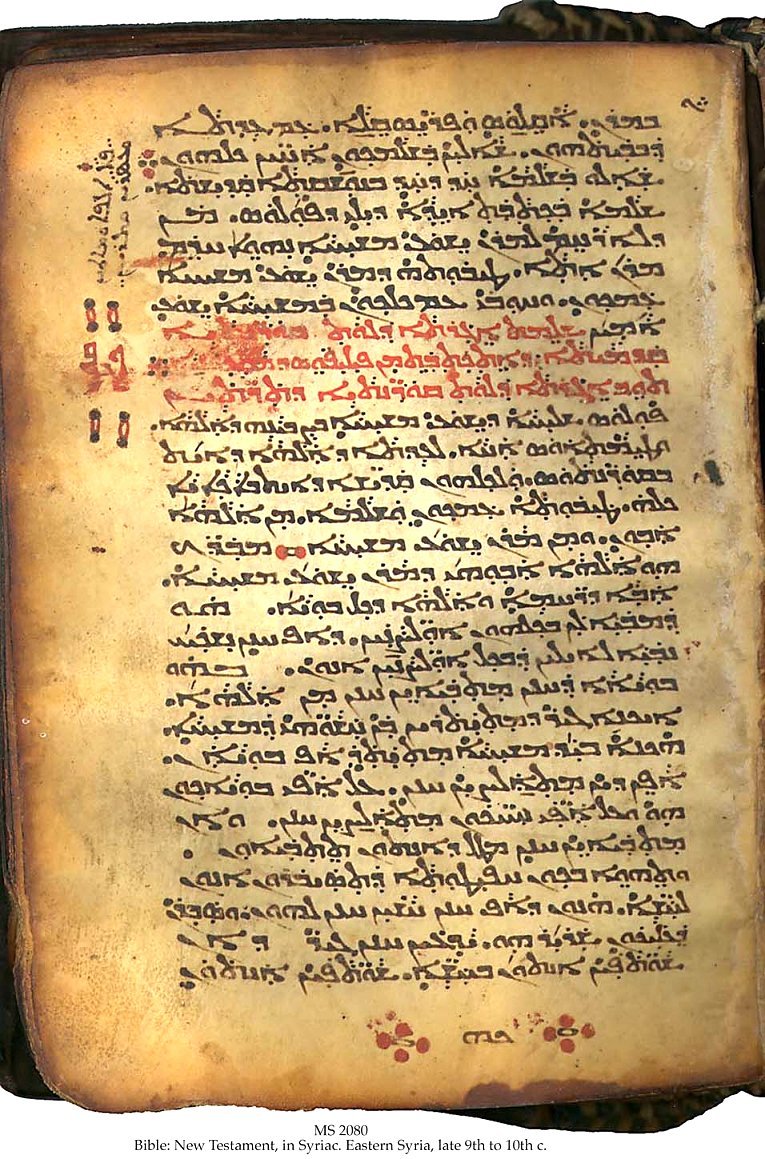
Ancient Syriac manuscript — New Testament, Eastern Syria, late 9th to 10th century

Ancient Syriac New Testament manuscript (MS 2080), Eastern Syria, late 9th–10th century. The Syriac Orthodox Church has safeguarded this living tradition for two millennia.

The Language of Christ

Syriac — a dialect of Aramaic — was the language spoken by Jesus Christ and his disciples. The Syriac Orthodox Church has preserved it as both liturgical language and, for many, the mother tongue of their people. Nowhere else in the world is this living link to the first Christians more tangible.

A Global Community

Approximately 6 million Syriac Orthodox faithful live across the globe — in India, the Americas, Europe, Australia, and the Middle East. The Archdiocese of Beirut connects this worldwide diaspora to its historic roots.

Wherever this community settled, they built churches and monasteries, proud of their Syriac identity and determined to preserve it for future generations.

See It for Yourself

Watch the latest message from Beirut and see the work being done on the ground.

Planned Use of Donations

These percentages reflect the current planned allocation of funds based on the most urgent restoration needs identified by the Archdiocese.

Structural repairs & infrastructure
45%
Interior restoration & iconography
25%
Community & facility spaces
20%
Cemetery & heritage preservation
10%